
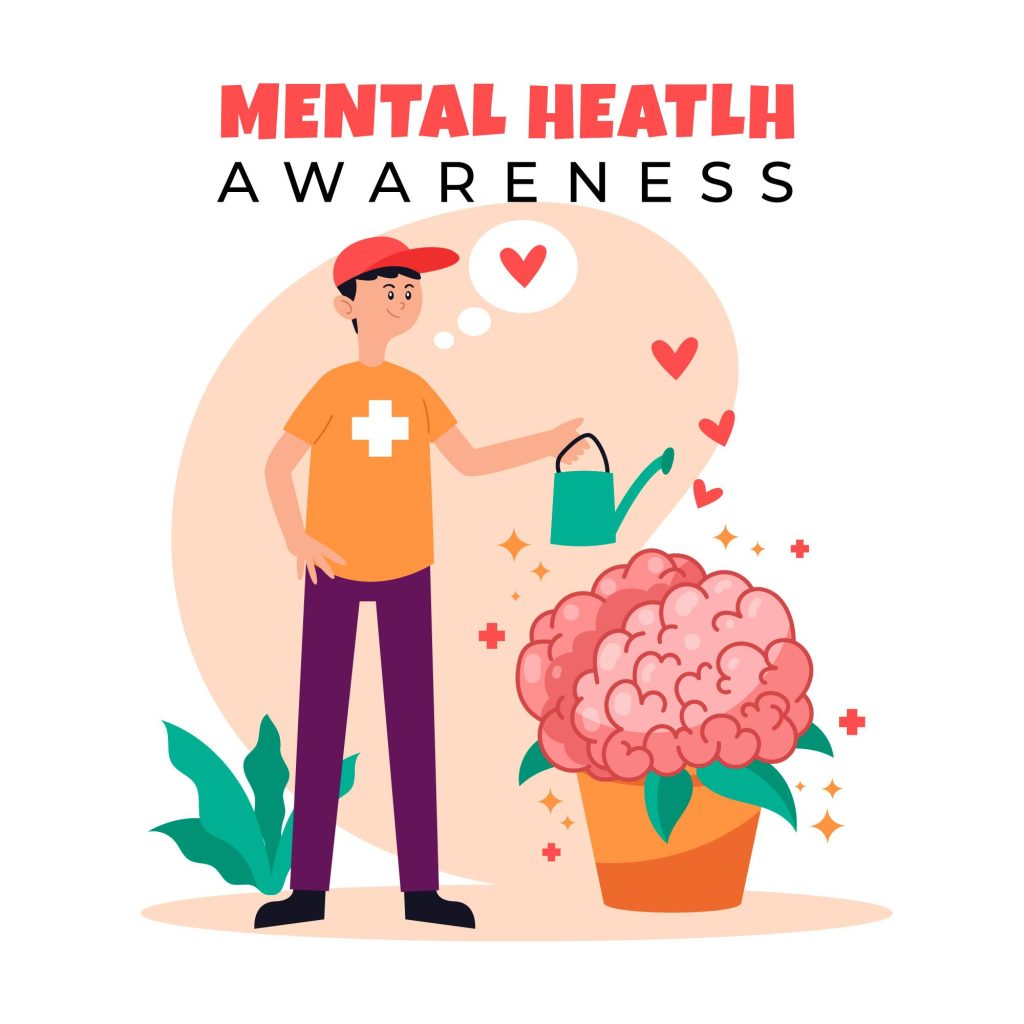
The themes of mental illness and mental health awareness are important themes that require focus, acknowledgement, and recognition. Nowadays, people frequently neglect to care for their mental health & behavioral health, which is contributing to an increase in mental health illnesses & disorders of mental health. Schizophrenia, depression, anxiety, bipolar disorder, psychological stress, Obsessive-compulsive disorder (OCD), anorexia, PTSD (post-traumatic stress disorder), and other mental health conditions can be draining and have a significant impact on a person’s ability to act, form relationships, and live a fulfilling life. Every year, 1 in 4 people in the world experiences mild to moderate mental issues.
The stigma linked to mental disorders is one of the biggest obstacles to overcome. Many individuals with psychological illness are self-conscious & embarrassed of their condition, which may hinder their access to care. This is why it is so highly essential to spread knowledge concerning mental wellness.
The goal of mental health awareness is to lessen the shame and stigma linked to anxiety, depression & other disorders of mental health and to assist individuals to become mindful & take control of their mental well-being alongside their physical health. It attempts to raise awareness about mental health issues & other psychological problems and the treatments that are operational.
It is of the utmost importance to take care of your own mental wellbeing, which involves self-care strategies such as maintaining a nutritious diet, ensuring adequate sleep, and engaging in regular exercise. It also means looking for advice anytime you require it, whether that means speaking to a therapist, wanting to join a counselling service or support group, or getting guidance from any app or website.
If you are suffering from mental health problems, you are not alone; approximately 1.85 billion individuals globally are experiencing psychological problems. You can get help from a variety of sources, including online therapy and virtual counselling by finding an online psychologist or professional licensed counselor, medication, online mental health support, and others. Taking care of your mental health is vital for your overall health and well-being and quality of life.
Mind Over Stress: Tips and Tricks for Managing Stress and Anxiety
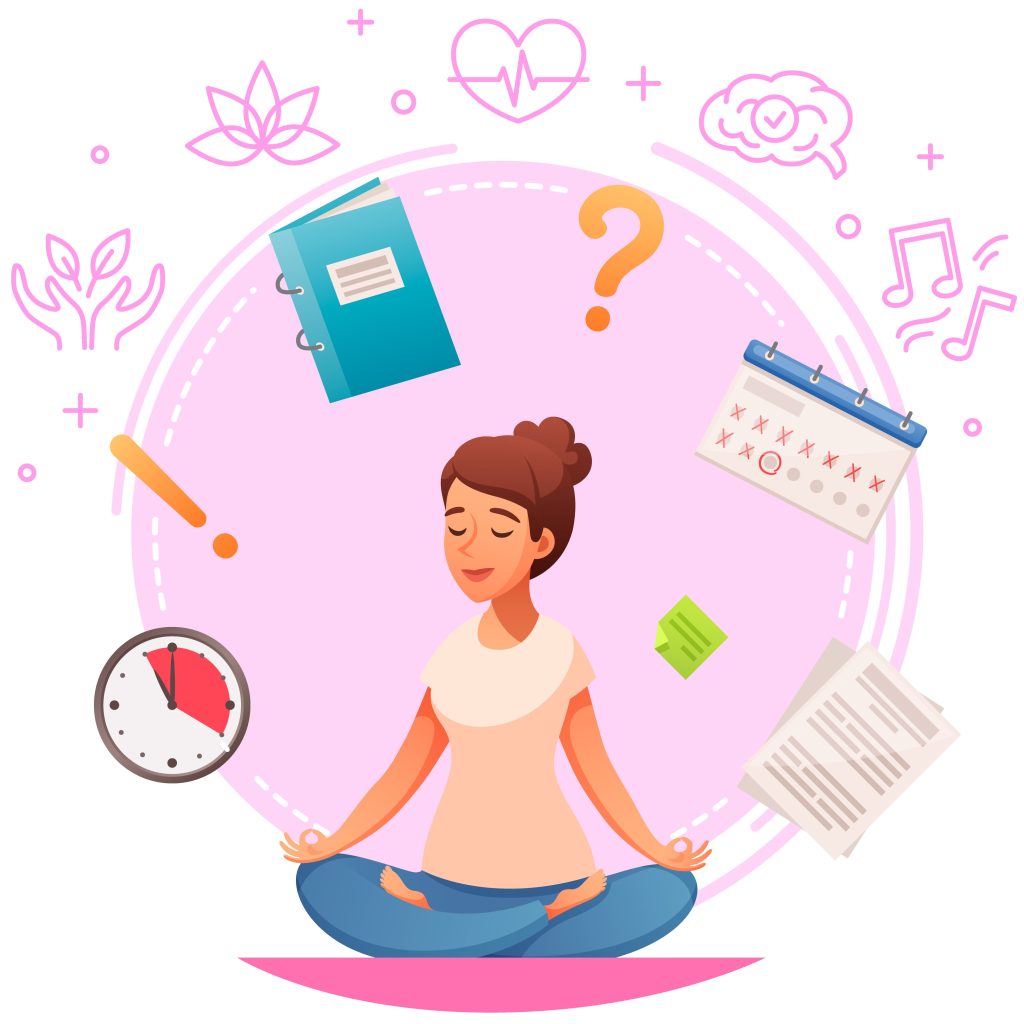
Being mindful requires attending to your thoughts and feelings without passing judgement and being totally present in the moment. Yoga, meditation, and other mindfulness practices can help people feel less stressed and anxious. Exercise is a pretty great technique to reduce uneasiness and tension, and it also generates endorphins, which can lift your spirits. Furthermore, sleep is crucial for maintaining mental health, and getting too little of it can make stress and anxiety worse. Ensure that you receive adequate sound sleep every night. Self-care practices like getting a nice & warm bath, spending time reading, or going outside might help you feel better overall by lowering your stress levels. Spending time with loved ones can also minimize stress and lift your spirits. Also, finding a counselling service or consulting a therapist might offer a confidential forum for discussing your mental health issues.
By providing you a sense of control over your energy and time, setting boundaries can help you cope with stress and depression. Acknowledge when something is not in your best interests and learn to say no. Stress and anxiety can result from improper time management too. To easily monitor your time and prevent overcommitting yourself, use planners and to-do lists as tools. Everybody’s journey is varied, therefore it’s essential to create coping mechanisms that are effective for you. Never be hesitant to experiment with different strategies until you discover the one that best suits you.
Surviving the 9 to 5 Grind: Tips for Beating Workplace Fatigue and Stress
Workplace fatigue and stress can cause a variety of mental health issues, which has a substantial impact on mental health. These are some suggestions for enhancing mental wellness at work.
In order to lessen stress and avoid burnout, it is important to establish clear limits between employment and leisure time. A regular break schedule will help you stay focused and reduce stress throughout the workday. Resist checking work emails or returning calls during your personal time. Stretch, go for a stroll, or practice mindfulness during your break. Productivity can be increased and workplace stress can be reduced with effective communication with coworkers and superiors. Learn to communicate your demands and problems in a polite and transparent manner. It is possible to enhance mental health and lessen stress at work by fostering an environment at work that values open communication, teamwork, and respect.
The Social Media Trap: How It’s Damaging Your Mental Health and What You Can Do About It
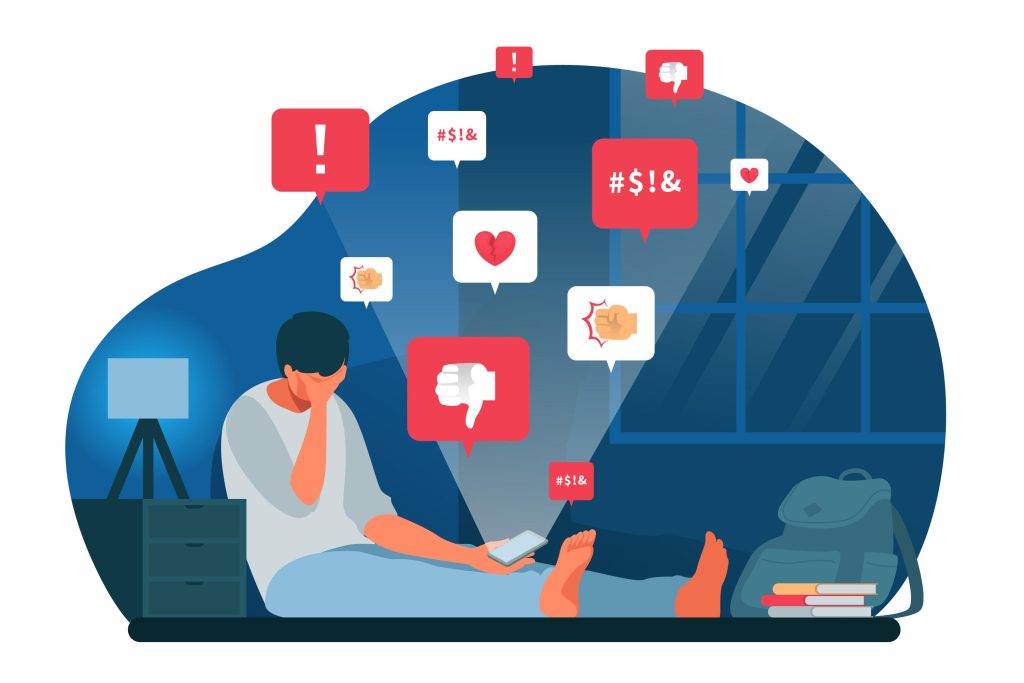
Our everyday lives now wouldn’t be the same without social media, but it can also have a big effect on our mental health. Here are some possible drawbacks of utilizing social media as well as advice for doing so in a healthy manner.
If we contrast our lives with other’s highlight reels on social media, we may experience emotions of inferiority and low self-worth. Self-esteem can be strengthened by avoiding social media use and concentrating on your own objectives and successes.
Addiction to social media can result in ill mental health conditions including anxiety and sadness. Addiction can be avoided by establishing limits and lessening social media use. Social media might make you feel connected, but it can also make you feel alone and lonely. Social isolation can indeed be avoided by concentrating in-person interactions and minimizing social media use. Choose social networking sites based on your key objectives and core principles.
Think about taking a break from any platforms that are making you anxious or upset. Instead of following accounts that encourage unpleasant judgments and self-criticism, choose ones that inspire and drive you. To improve your mental health and focus on other tasks, make sure to take regular breaks from social networking sites. It’s important to understand that social media can affect mental health in both favourable and unfavourable ways. Damaging impact can be avoided and general wellbeing & welfare can be increased by using social media in a healthy and deliberate way.
Love and Mental Health: Finding Balance in Your Relationships
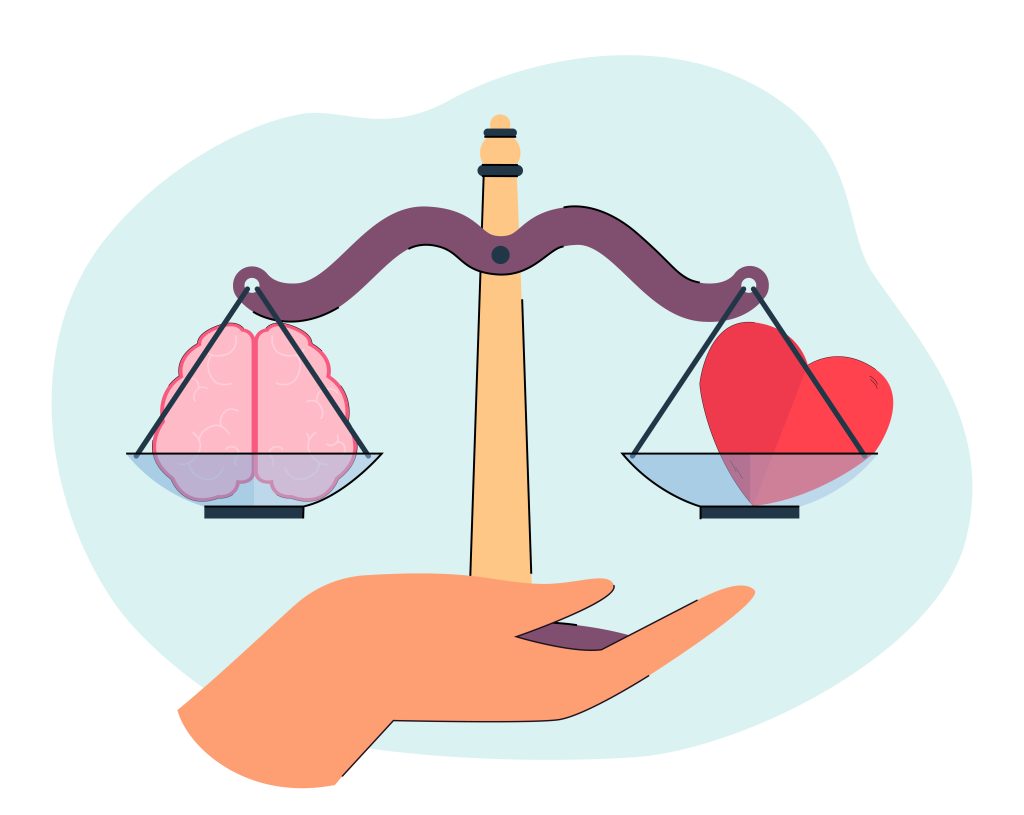
Our mental health can be severely affected by relationships in both positive and bad ways. The following are some crucial points regarding how relationships affect mental health and some tips to improve it.
Having supportive, loving, and meaningful connections can have a big impact on one’s mental health. Positive mental health outcomes, such as higher self-esteem and less stress, can be promoted by healthy relationships. Negative mental health consequences including anxiety, sadness, and trauma can result from toxic relationships, such as those that involve abuse, neglect, or toxic behaviours.
It’s critical to understand the warning signs of a toxic relationship and to get help if you find yourself in one. Social support from close friends and family members, for example, can be a good stress-reduction strategy and aid with mental health outcomes. Proper interaction is crucial to keeping relationships strong. Understanding how to communicate your demands and emotions effectively might help create understandings and avoid disputes. Results in terms of mental health can be effected by attachment styles, or ways of bonding to people. Positive mental health outcomes may result from forming secure attachment styles, which are characterized by trust, support, and clear communication.
Your Mental Health Matters
Mental health is a massively important component of general wellness that shouldn’t be overlooked. Anybody can have mental health issues, so it’s necessary to acknowledge the symptoms and get support when you need it. The necessity of self-care, coping mechanisms for stress and anxiety, the effects of job and social media on mental health, and the effects of relationships on mental health have all been covered in this blog article. The stigma around mental illness must be eliminated in order to promote a culture of care and support. We can have happier, healthier, and more satisfying lives if we put our mental health first and get help when we need it. Never forget that caring for our mental health is a sign of strength rather than weakness. Let’s work together to continue promoting mental health advocacy and raising awareness so that everyone has access to the tools and help they require to flourish. We appreciate you reading this blog article and your dedication to raising mental health awareness